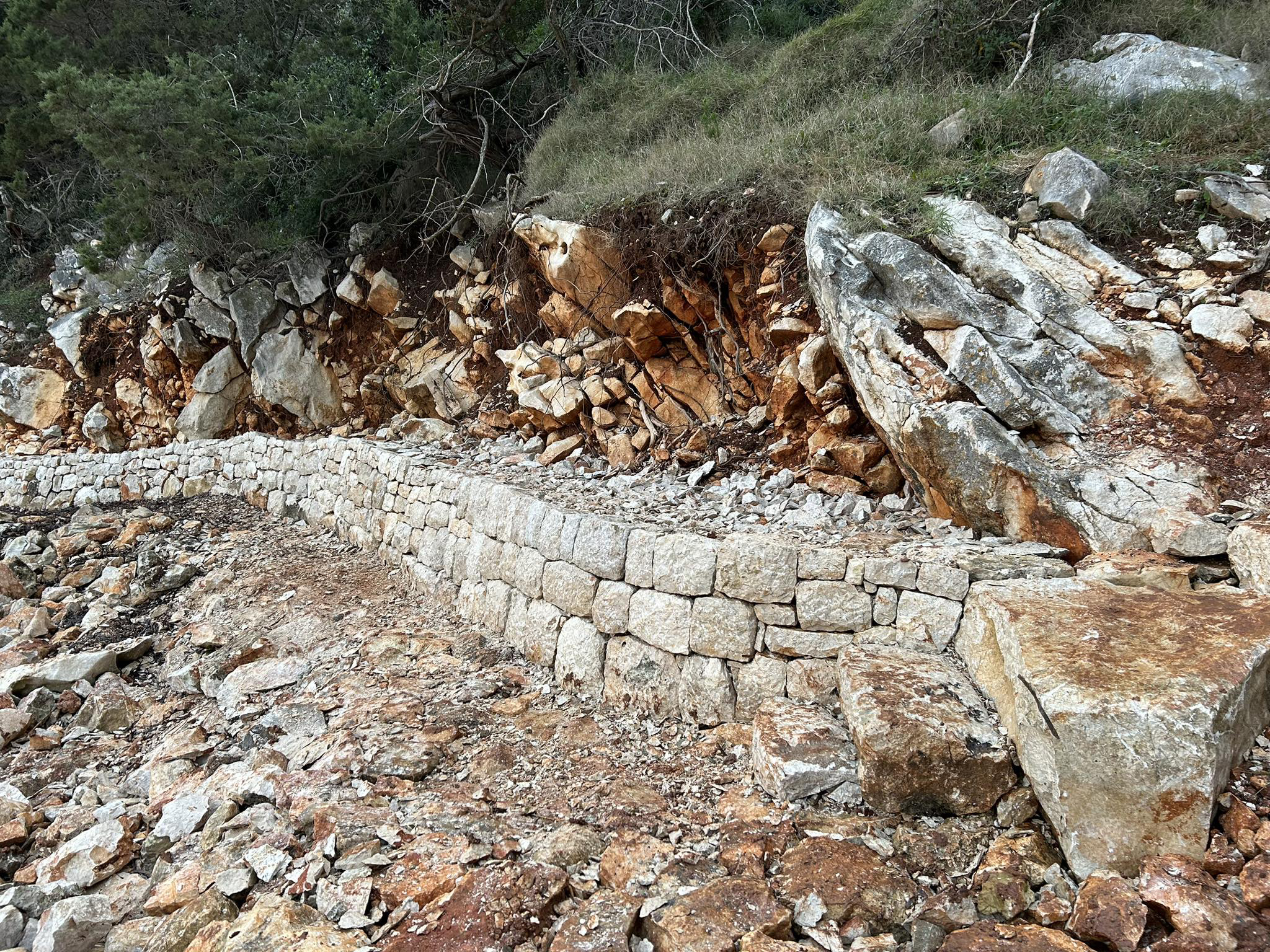
the wall
Dalmacija je bajkovito područje čija se priroda stoljećima efikasno kultivirala suhozidima. Toliko su suhozidi inherentni tome području, da ih se percipira kao da su prirodni i da su oduvijek tu. Obzirom da je suvremeni način života istisnuo umijeće suhozidne gradnje, suhozidanje je postalo zaštićeno nematerijalno kulturno dobro. Ovaj proces projektiranja i načina realizacije predstavlja izravni nastavak te tradicije.
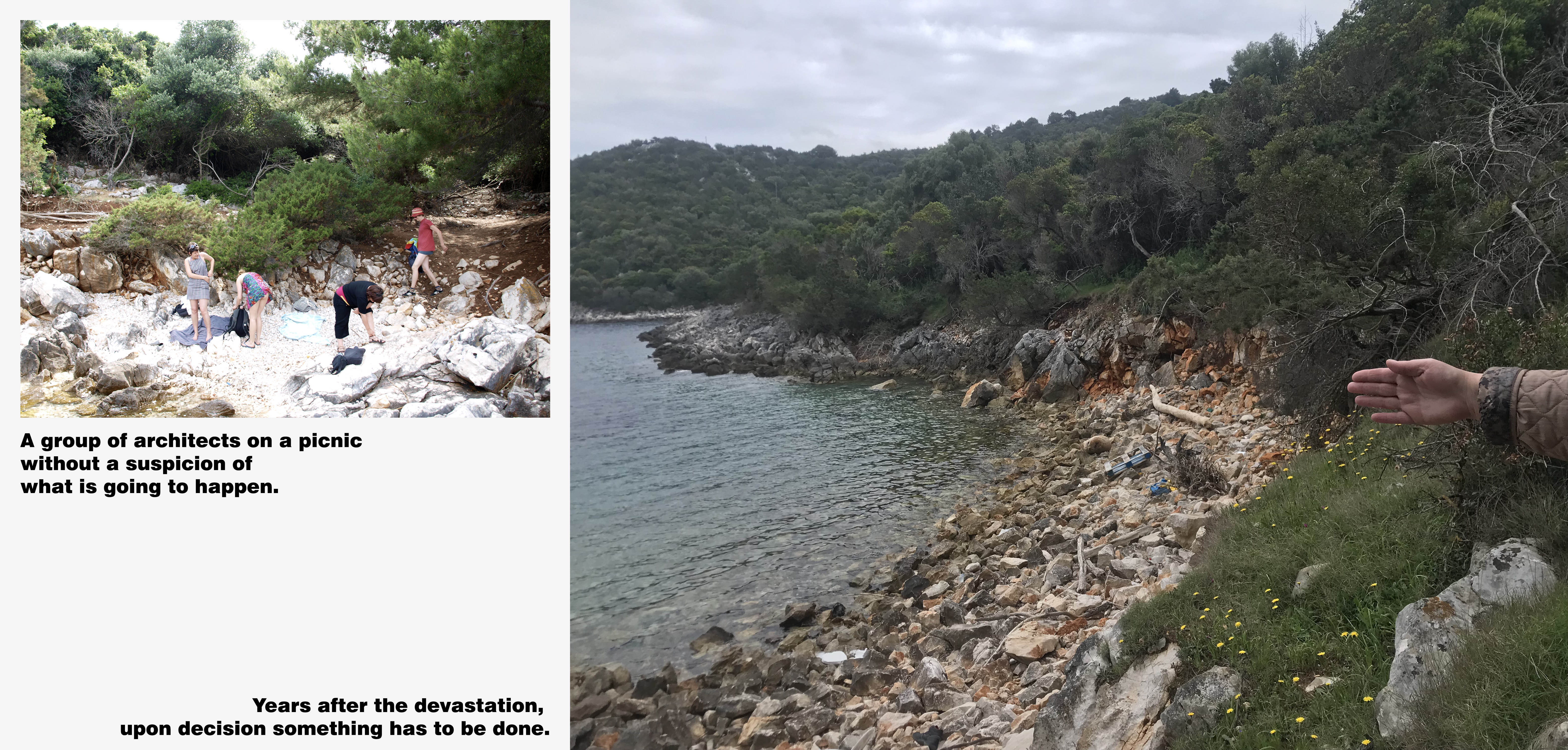
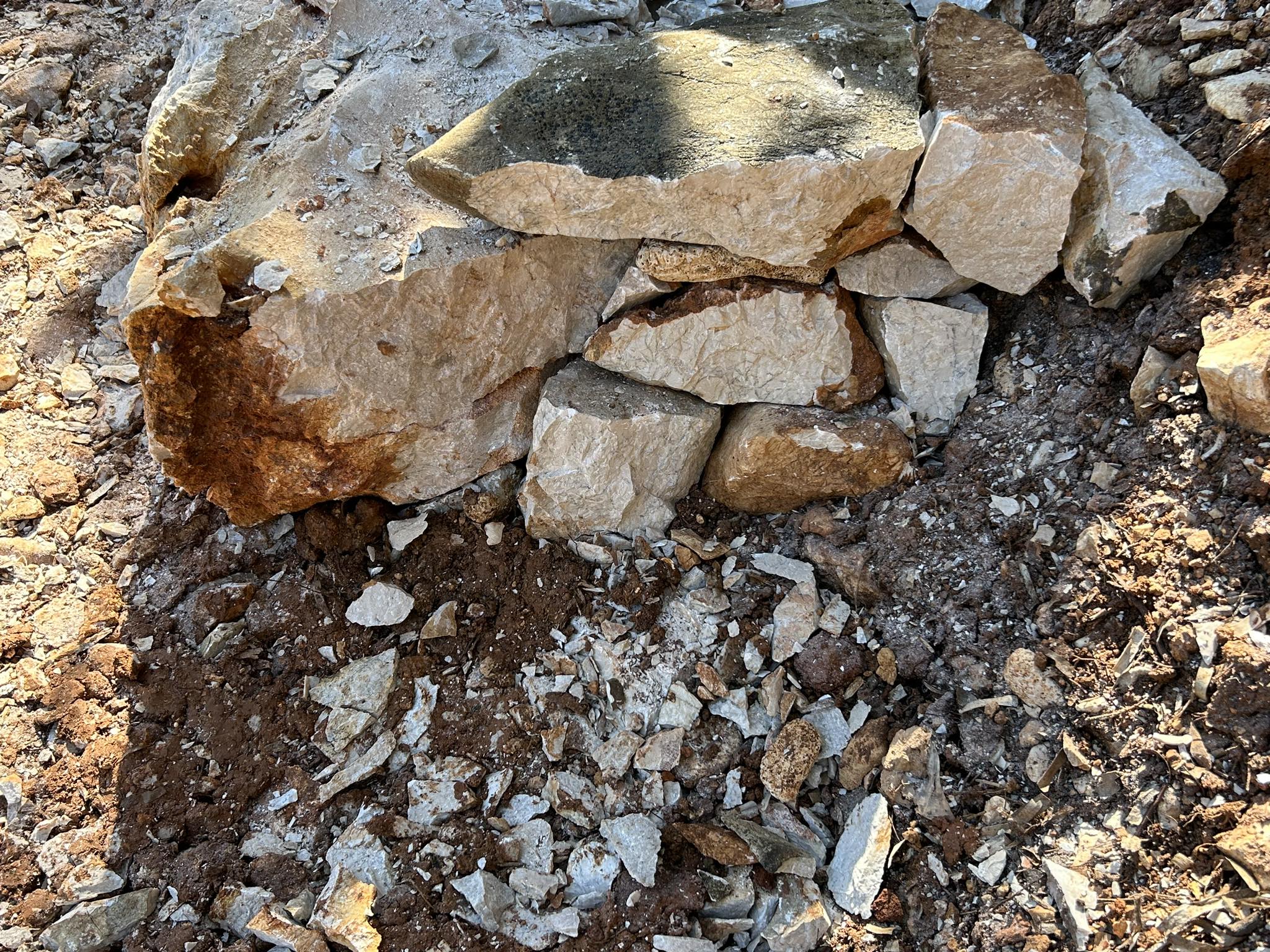
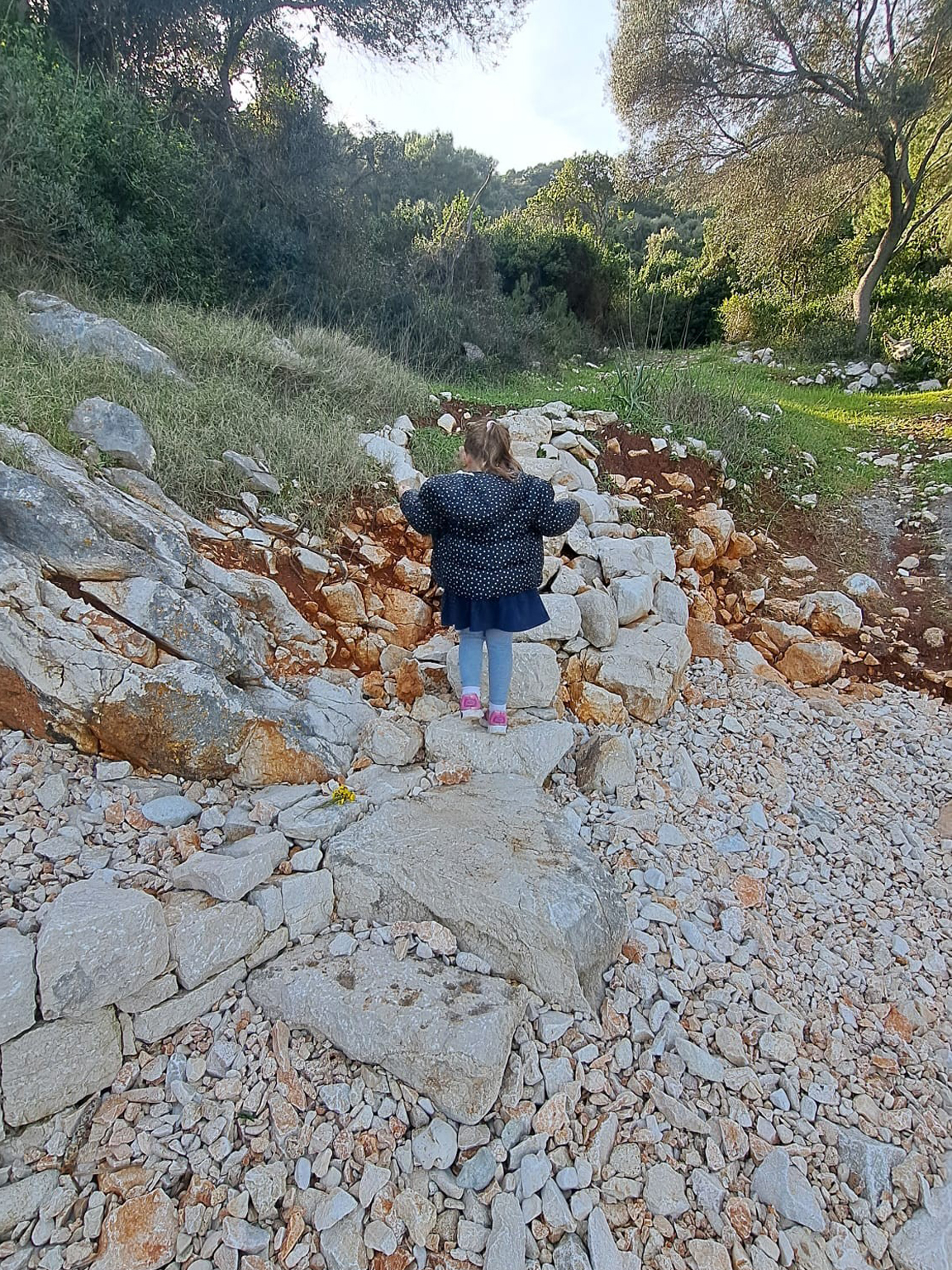
Korita - malo žalo na sjevernoj strani otoka Lastova, otoka u cijelosti zaštićenog kao park prirode, u PPUO-u je klasificirano kao prirodna plaža. Godine 2015. brutalno je devastirano bagerom. Nekoć srasle stijene, na Lastovu grže, bile su zdrobljene bučnom mašinom u razmjerno velike komade i razbarušene preko malog žala. Šuma iznad žala je ostala na (ne)milost litici kojoj se polako ispirala zemlja, otkrivajući tako korijenje stabala. Devastaciju je zaustavila građevinska inspekcija. Situacija je godinama stajala bez valjanog rješenja. Općina je dovedena u nemoguću situaciju! Naime, ne postoji propis, ne postoji ni praksa, niti ijedan poznati primjer kako prirodnu plažu koja se nalazi u parku prirode povratiti u prirodno stanje!
U beznadnim kompliciranim birokratiziranim hrvatskim uvjetima nevjerojatno je da je ideju o sanaciji prirodne plaže snagom zajedništva ljudskih ruku i volje, onako kako se to stoljećima radi, dopustilo je, na zahtjev Općine, a na temelju naivnog arhitektonskog elaborata, Ministarstvo zaštite okoliša i zelene tranzicije. Recept je bio sljedeći.
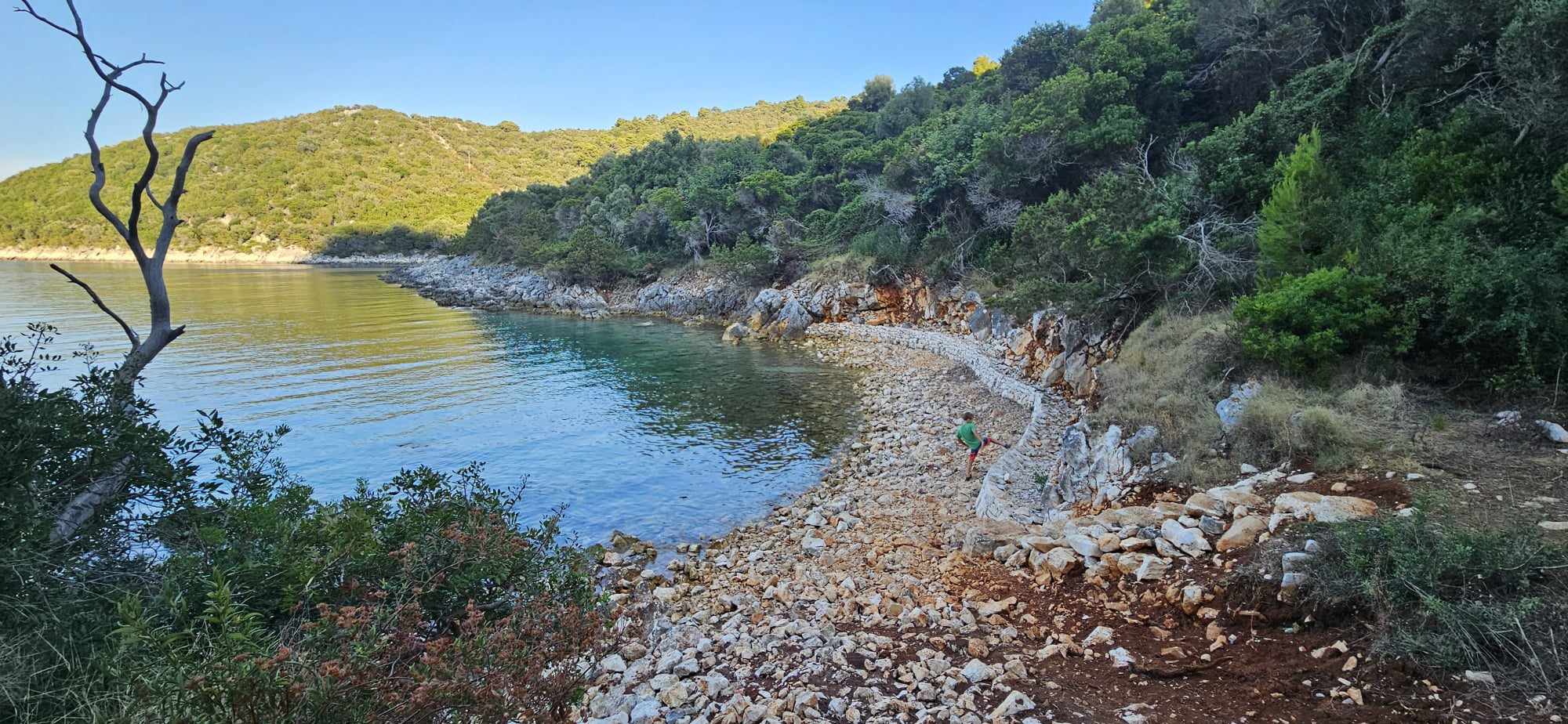
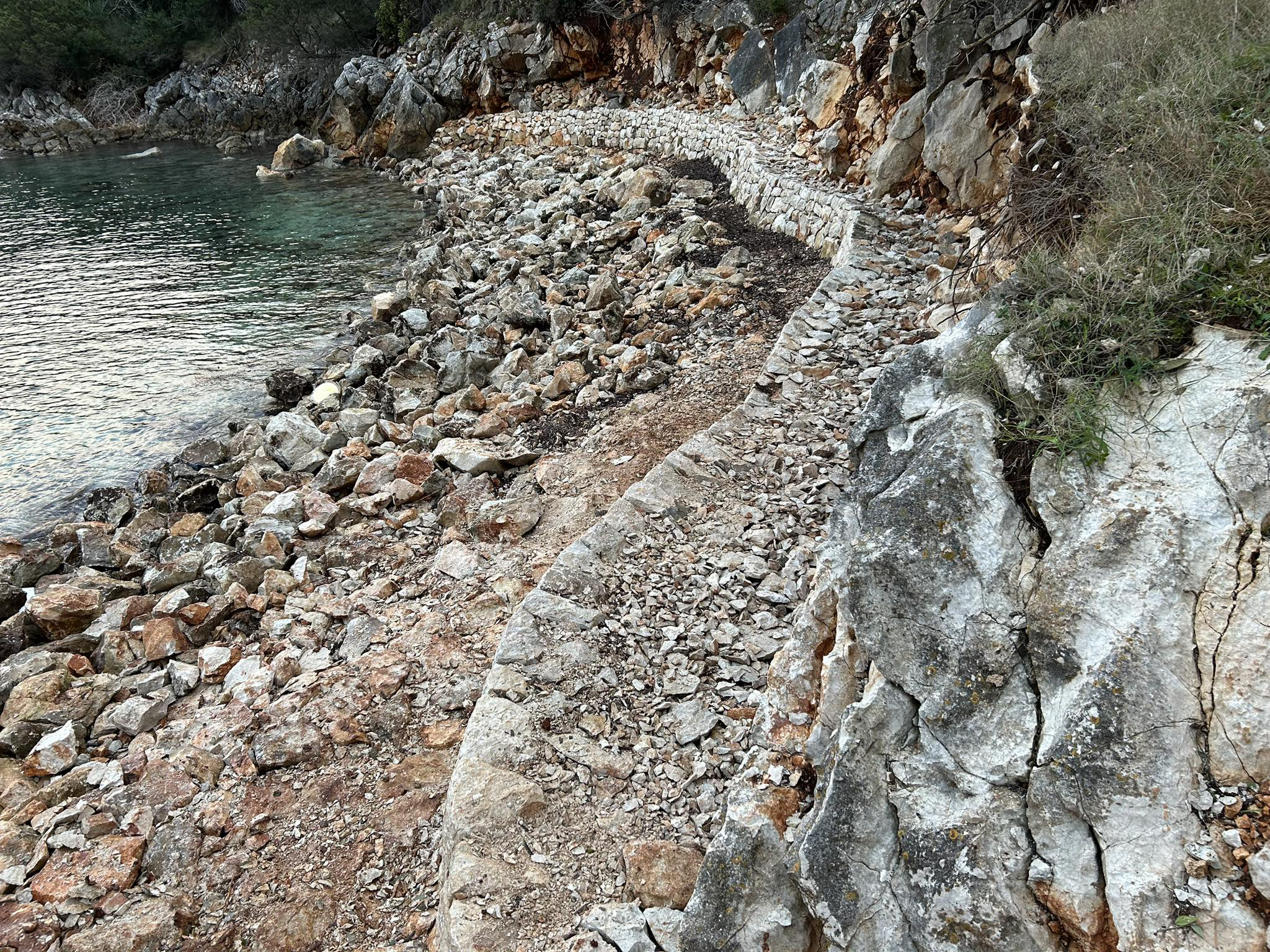
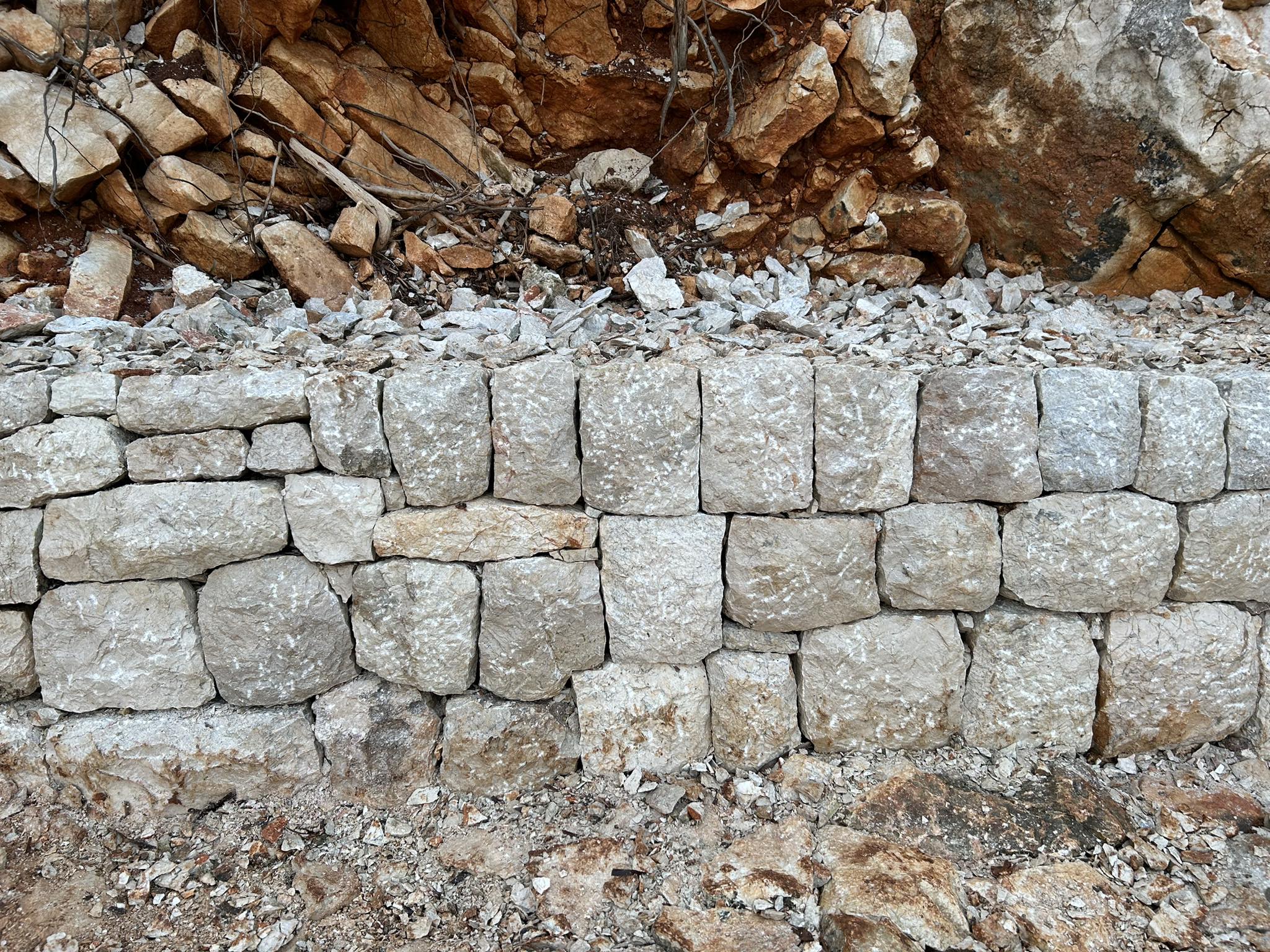
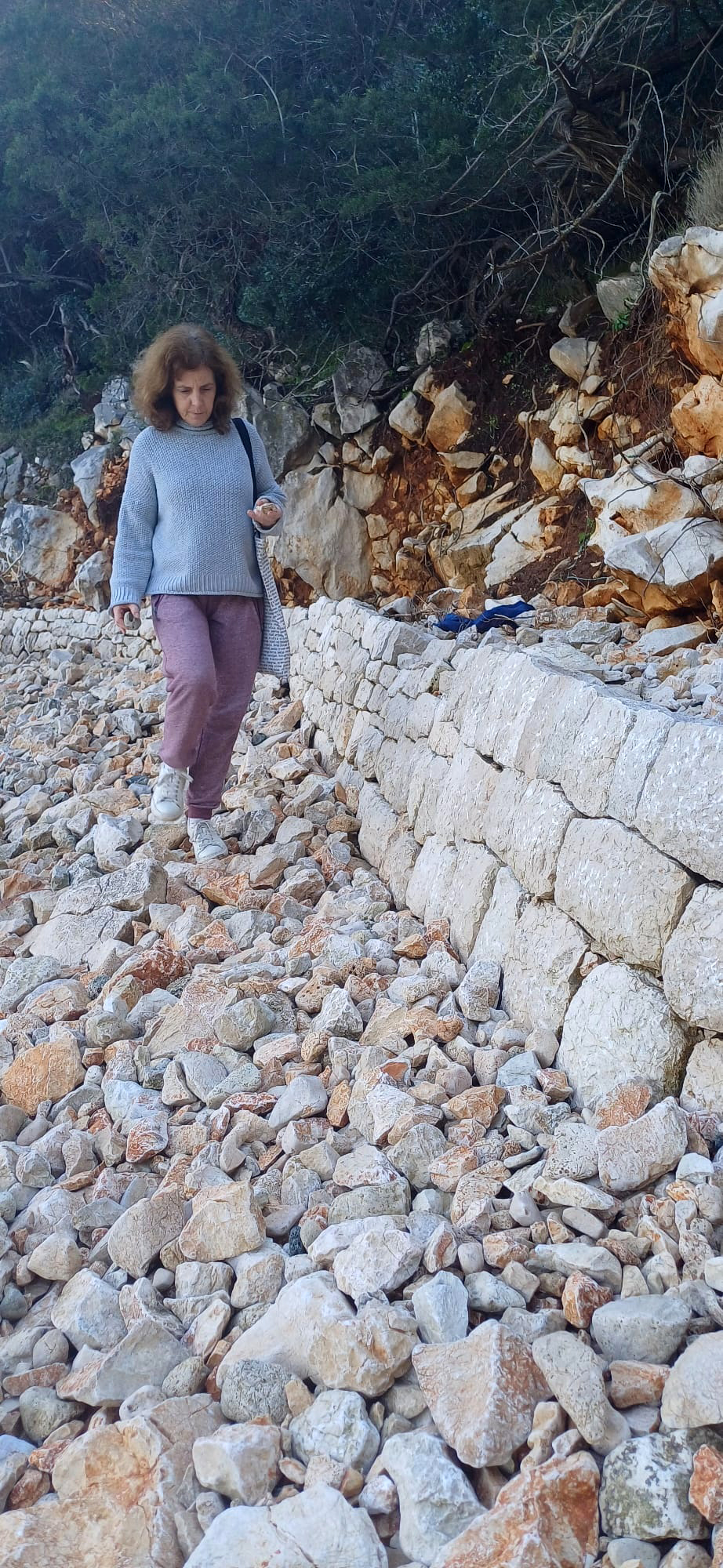
Sanacija se materijalizirala kao suhozid i pripadajuća urbana oprema. Suhozid, skupa sa skalama za pristup žalu, je izgrađen od manje ili više modificiranog zatečenog kamenja. S kamenja su skinuti pužići i vraćeni moru. Urbana oprema napravljena je isključivo od alepskog bora koji je flankirao ulaz na budući plažu, ali ga je slomio grom. Smeće pronađeno tijekom građenja vraćeno je naselju.
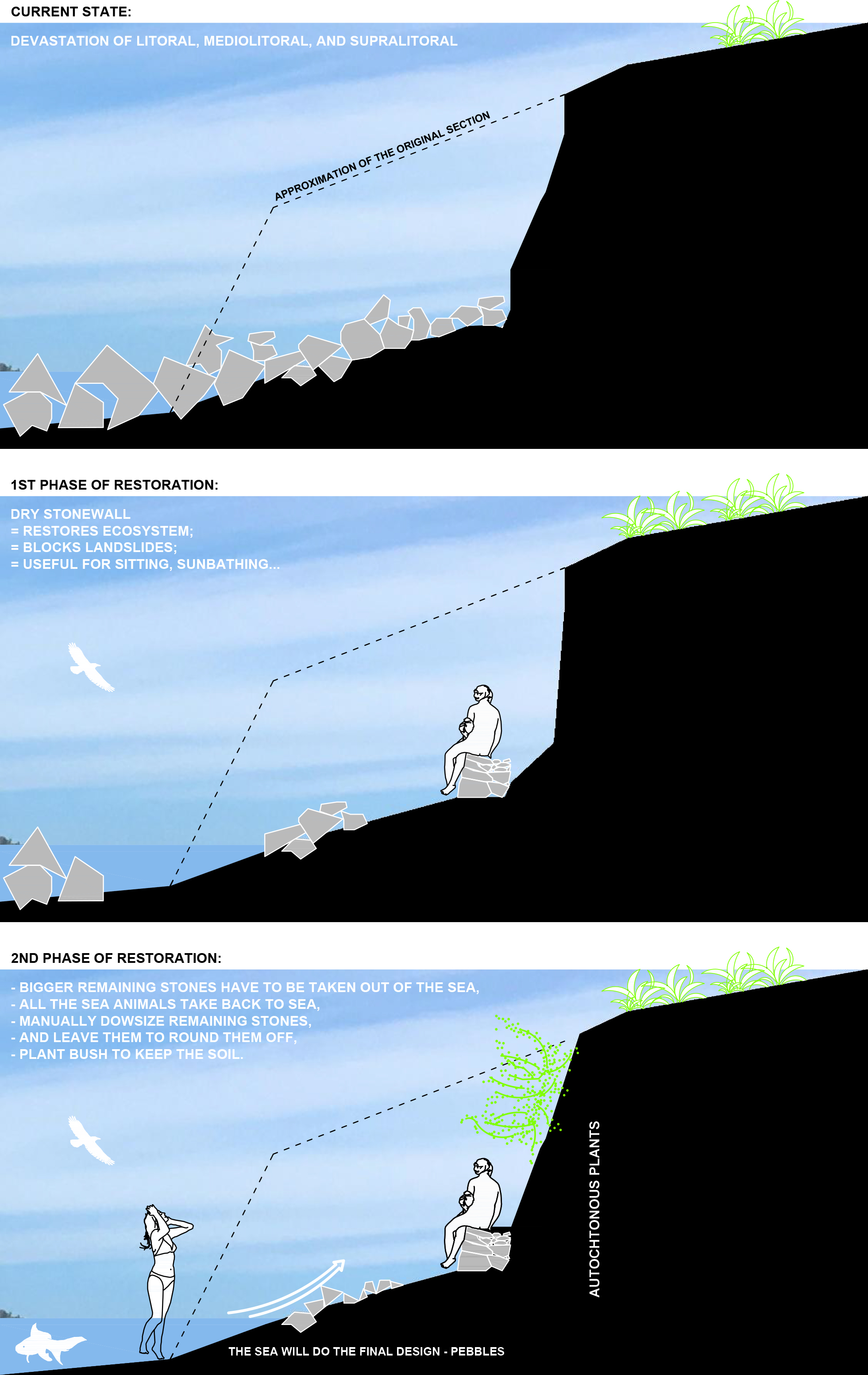
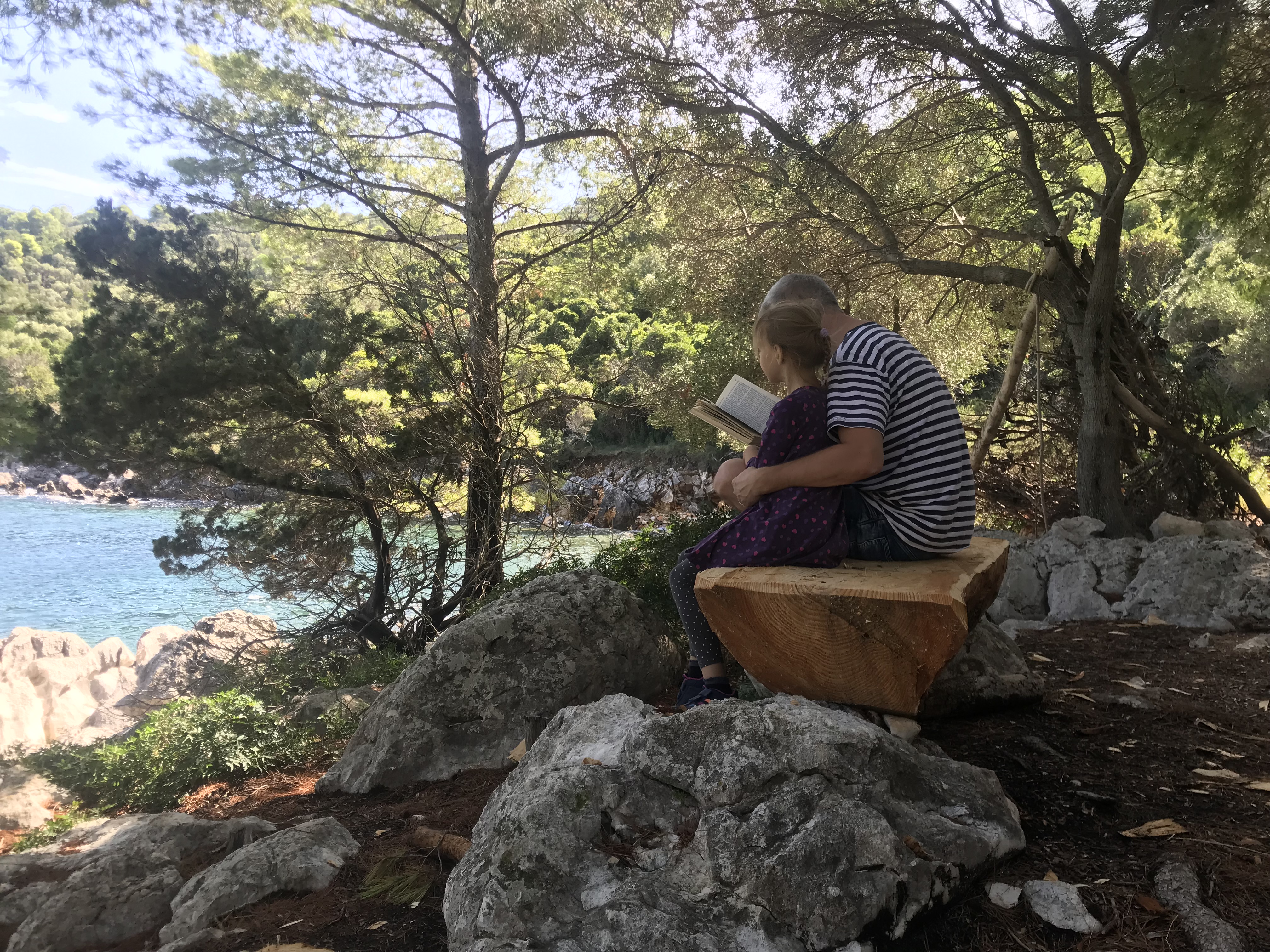
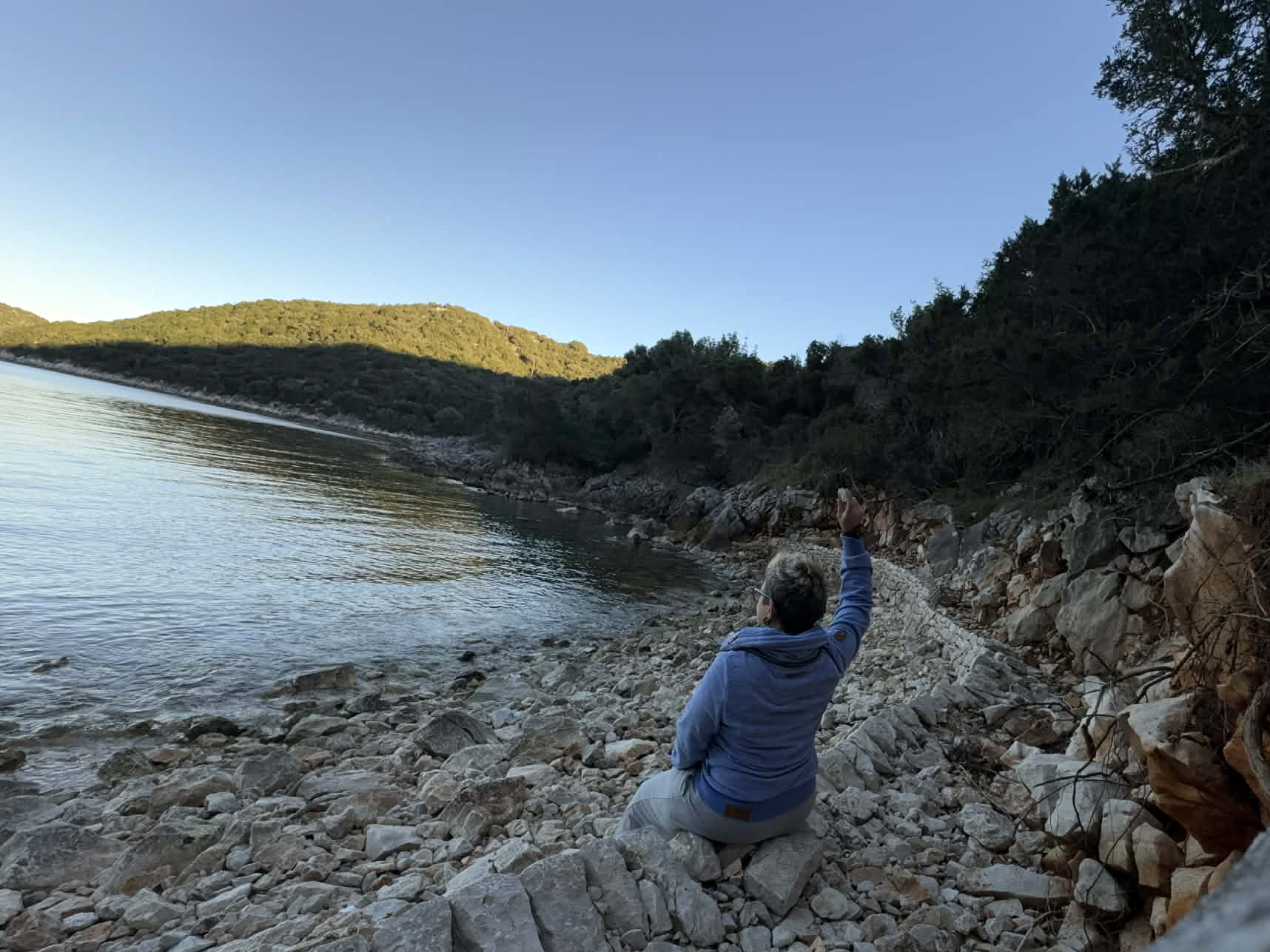
U svojoj banalnosti oblika, jedan jedini zid kompleksno odgovara na sva prostorna pitanja: štiti liticu od ispiranja, lomi valove, služi za sjedenje i ležanje, osigurava krajobrazni potez autohtonih sorti... Liniji je kamenoklesar dodao stepenice za sigurnije spuštanje s pošumljenog platoa na ponovno otkriveno žalo. Pošumljenom platou je stolar dodao klupe od alepskog bora kojeg je zatekao slomljenoga od nevere. Brojni sugrađani su dodali po koji kamen, po koju marendu, kafu, riječ ohrabrenja...
Već su prve ubojite levantare testirale izdržljivost i nosivost cijele duljine zide. Na uočenim kritičnim dionicama vez je naknadno utvrđen. Iako napravljen od malih komada kamena, međusobno nepovezanih kakvim mortom, zid se pokazao - stabilan.
"Unatoč očitom izostanku programa, zid je u svome kratkom vijeku postojanja provocirao i podržao nevjerojatnu količinu događaja, prirodnih pojava i efekata." R. Koolhaas, Field trip
Suhozid, skale i urbana oprema su proces u kojem je realizirano povjerenje, uvažavanje, zajedništvo i otočna tradicija. Dodan je artikulirani kamenčić, kako je to dr. sc. Joško Božanić jednostavno rekao, jedinstvenom spomeniku ljudskom radu - beskrajnim kilometrima kultivirane vrlo dalmatinske prirode.
Introduction
The dreamy landscape of the Dalmatian region has been cultivated for generations using dry-stone walls. The structures are so deeply integrated in the natural environment that they seem to have existed forever. As modern building methods replaced the art of dry-stone construction, it was inscribed in 2024 on the Representative List of the Intangible Cultural Heritage of Humanity. This project—from the idea to its actual implementation—represents the continuation of that tradition.
Korita is a small cove located on the north coast of the Island of Lastovo, part of Lastovo Archipelago Nature Park. The land-use designation of the location in the Municipal Spatial Plan is natural beach. In 2015, the beach was bulldozed by heavy machinery, destroying natural fused rock formations called ‘grže’ in the Dalmatian dialect. The remaining debris and larger segments of rocks were dispersed over the entire area. Consequently, the base of the cliff was exposed to wave undercutting, undermining the forested land above the cove and exposing tree roots. The devastation was stopped by the building inspectors.
During several years of status quo, the municipal authorities found themselves in a deadlock: there was no legal solution, or precedent, or any helpful example providing a solution for remediation of the devastated natural beach located in a nature park. Considering Croatian circumstances—with endless red tape and bureaucracy—it is nothing short of a miracle that the Ministry of Environmental Protection and Green Transition accepted the idea presented in the naïve project proposal: a remediation project based on community engagement and volunteering.
The core elements of the remediation project were the construction of a dry-stone wall and beach amenities. The dry-stone wall and steps for access to the beach were constructed using rocks found on the site. The sea snails found on the rocks were duly returned to the sea. The beach amenities were made using only the wood from the Aleppo pine tree that had been knocked over during the storm. This single dry-stone wall—almost banal in its simplicity—represents a solution to all the complex issues on the site: it prevents cliff erosion, serves as a breakwater, can be used for sitting, and blends perfectly with the surrounding vegetation. The stonemason added stone steps for easier access to the beach from the forest above the cove, and the carpenter made a pine wood bench from a fallen tree. Volunteers from the local community carried stones, provided coffee, and offered kind words.
The first fierce east wind (‘Levanat’) tested the durability and bearing capacity of the full length of the wall. Critical sections were reinforced. Although constructed using smaller pieces of stone, without using binding material, the wall remained stable.
“In spite of its apparent absence of program, the wall - in its relatively short life - had provoked and sustained an incredible number of events, behaviours, and effects.” R. Koolhaas, Field Trip
The dry-stone wall, the steps, and the wooden bench all represent the result of the process of building up trust with the local island community through engagement, inclusion, and respect for tradition.
Translated by Jelena Madunic